Beyond Translation
Why learning another language remains invaluable in an age of instant translation.
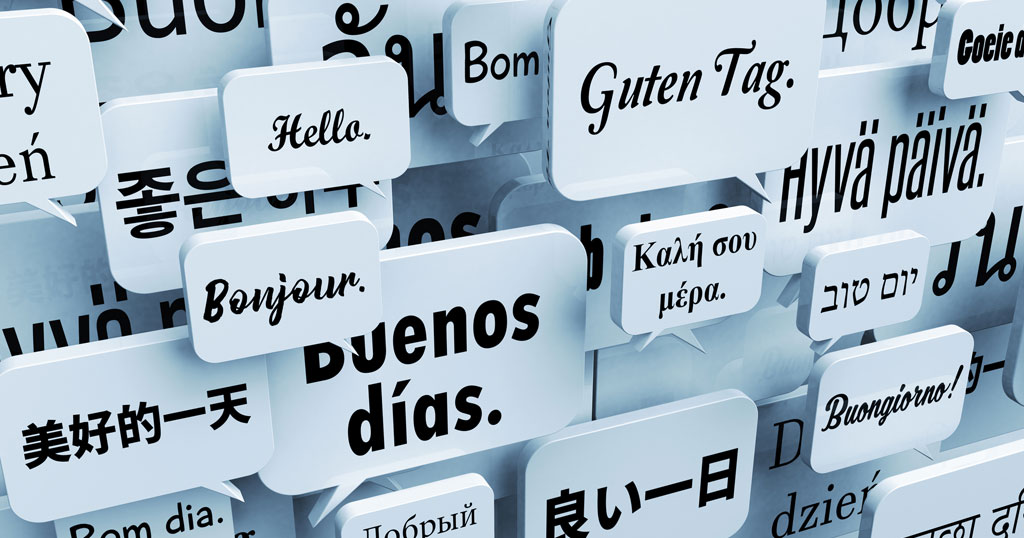
In an age dominated by instant translation apps and the global prevalence of English as a practical lingua franca, a question arises: why devote years to learning another language from scratch? The answer requires us to look beyond conventional wisdom. Learning a language has never been simply a matter of convenience. It has always been, fundamentally, a matter of cultural intelligence.
When we reduce language to a tool of convenience, we overlook one of its most important functions. Learning another language offers a profound insight into how different societies organize thought and interpret the world. At a time when superficial exchanges can so easily pass for genuine understanding, speaking another person’s language is an implicit gesture of respect. It is also what distinguishes someone who merely passes through another culture from someone who genuinely engages with it.
Mastering a new vocabulary does more than extend our ability to communicate. It reshapes the foundations of how we think. Learning another language reveals nuances, contradictions, and assumptions within our own culture that might otherwise remain invisible. The bilingual mind learns to see the world through two lenses.
“You never truly understand a language until you understand at least two.”
— Geoffrey Willans, British writer
Fluency, however, offers no shortcuts. There is no magical moment when everything suddenly falls into place. Contrary to the seductive promises of fluency in thirty days scattered across the internet, proficiency is built gradually, with care and persistence. It requires effort, repetition, and time. Learning to speak and live in another language means constructing a new cognitive framework, one that, once established, stays with us and continues to shape how we interpret the world.